5 Real Estate Myths Still Holding Columbus Buyers Back
I spend a surprising amount of time in buyer conversations debunking things people picked up from a cousin's Facebook post or a headline from three years ago. Here are the five myths I hear most often — and what's actually true right now.
Myth #1: "You Need 20% Down to Buy a Home"
This one costs buyers years of unnecessary waiting. Conventional loans commonly allow down payments as low as 3–5%, and FHA loans allow as little as 3.5%. Yes, putting down less than 20% typically means paying private mortgage insurance (PMI) — but for a lot of buyers, getting into a home years earlier and building equity outweighs the cost of PMI, which can often be removed later once you've built enough equity.
Myth #2: "I Should Wait for Rates to Drop Before Buying"
With 30-year rates recently touching a one-year high near 7%, this myth is getting louder — but "waiting for rates to drop" has been conventional wisdom for years now, and rates have moved in both directions during that time. Nobody can reliably time that bottom, including professional forecasters. A more reliable approach: buy when you find the right home at a payment you're comfortable with, and refinance later if rates drop. You can always refinance a rate — you can't always find the same house again.
Myth #3: "Renovated Homes Always Sell for More Than the Renovation Cost"
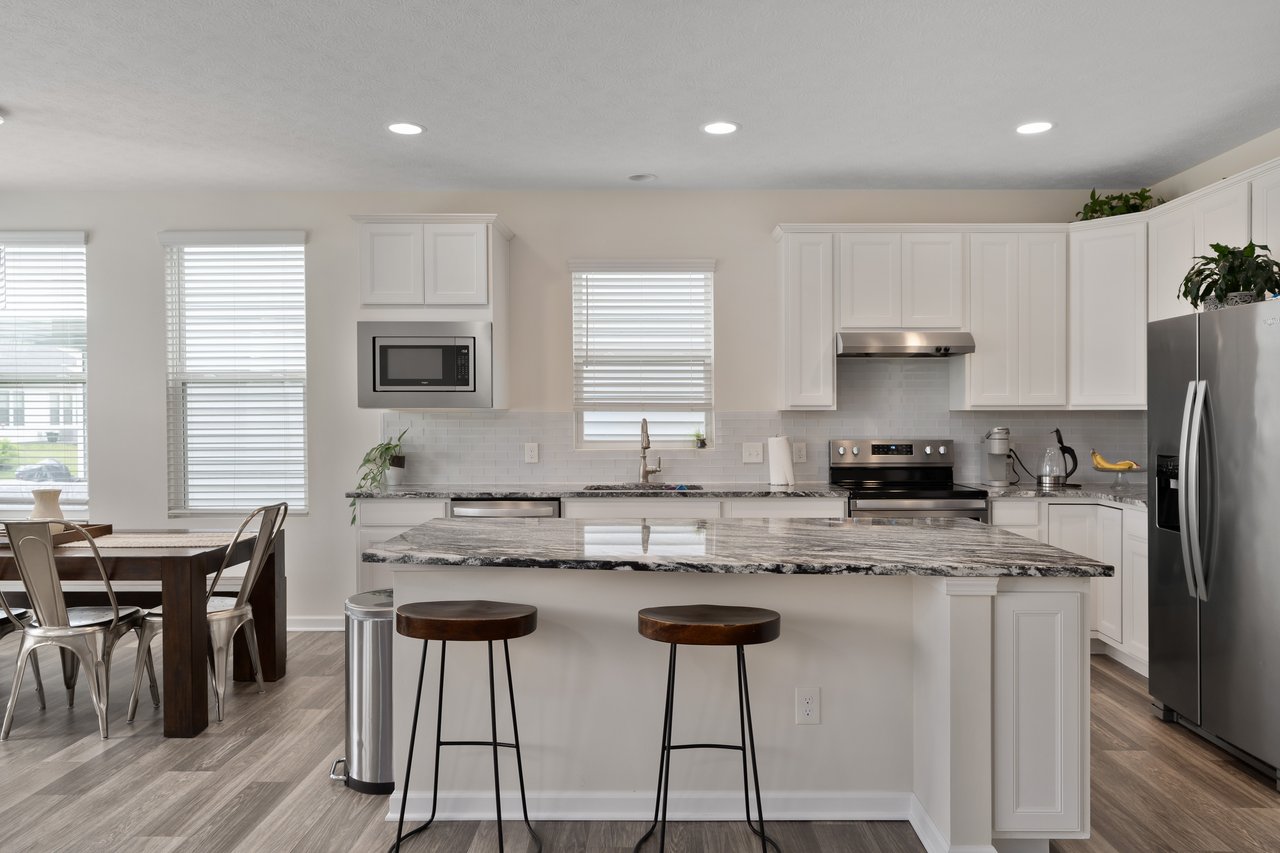
Not all renovations pay for themselves at resale — kitchen and bathroom updates tend to have the strongest return, while highly personalized renovations (think: a home theater or an elaborate outdoor kitchen) often don't recoup their full cost. If you're renovating specifically to sell, it's worth a conversation before you spend, not after.
Myth #4: "A Pre-Qualification Is the Same as a Pre-Approval"
These get used interchangeably, but they're not the same thing. Pre-qualification is a quick, often self-reported estimate; pre-approval involves an actual review of your credit, income, and financial documents by a lender. In today's market — where sellers are still comparing offers carefully even with more inventory available — a genuine pre-approval carries real weight that a pre-qualification letter doesn't.
Myth #5: "Listing in Spring Is Always Better Than Listing in Fall"
Spring gets all the attention as "the" selling season, but fall listings benefit from something spring doesn't have as much of: serious buyers. Fall buyers are frequently under real time pressure — relocations, school-year timing, lease expirations — and there's less competing inventory than the spring rush. A well-priced fall listing often sells just as efficiently as a spring one, sometimes to a more motivated buyer.
Why These Myths Persist
Most of these ideas were true, or truer, at some point — 20% down used to be more standard, rates were near record lows for a stretch that made waiting look smart in hindsight, and spring really has traditionally seen more overall transaction volume. The problem is when outdated advice gets treated as a permanent rule instead of a snapshot of a specific moment in the market.
The Bottom Line
The real estate advice that made sense in 2019, or even in 2022, doesn't automatically apply in 2026. If something you've heard about buying or selling sounds like a hard-and-fast rule, it's worth double-checking against today's actual numbers before you let it shape your decision.
CTA: Get a no-pressure buyer or seller consultation → [link to contact form]